
Why Your Dog Won’t Come When Called (And How to Fix It for Good)
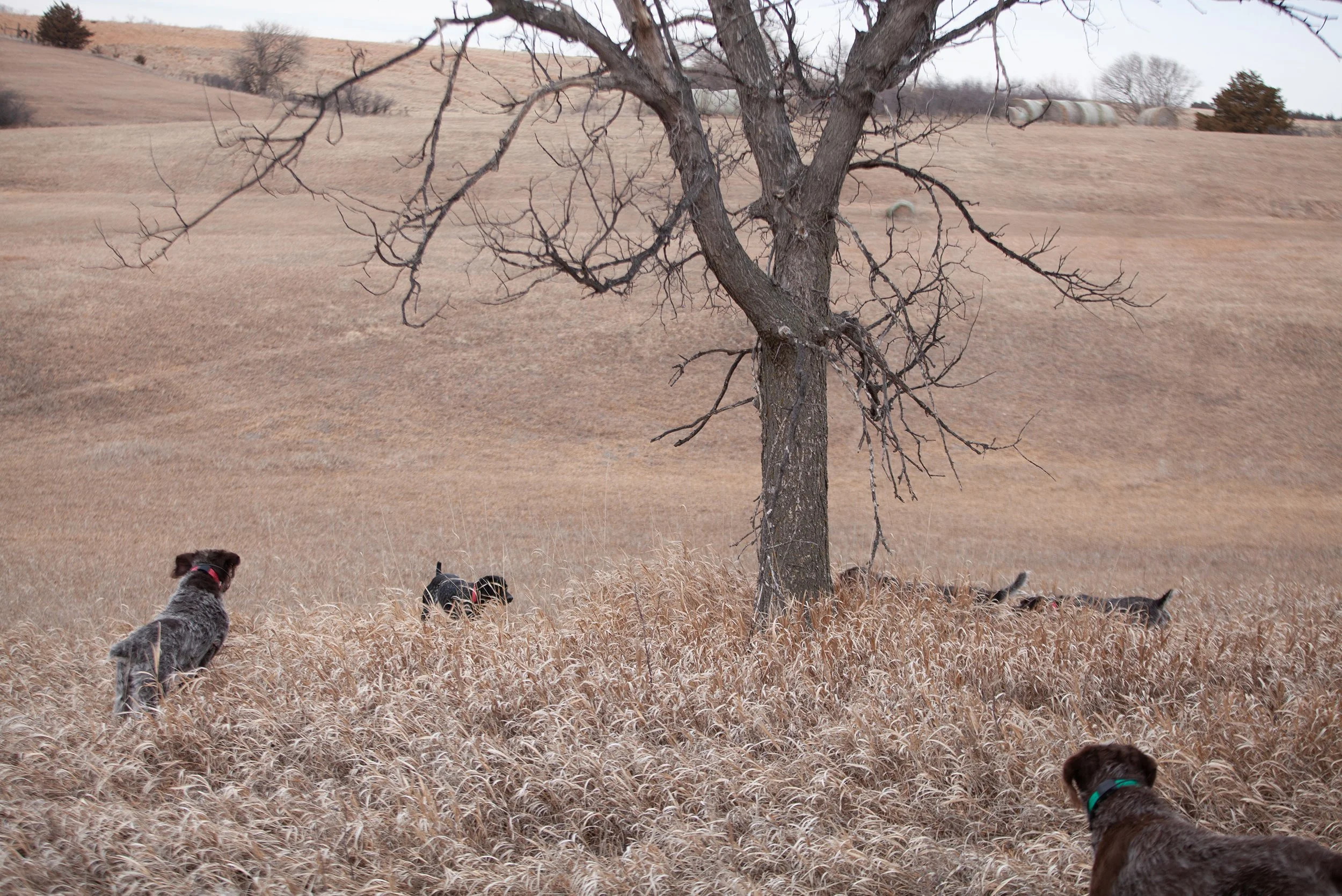
Every time you call your dog and they don't come, you're training them to ignore you.
That's not meant to be harsh. it's just how dogs work. They learn through repetition. If calling their name produces no reliable consequence, they learn that the word is optional. You've accidentally spent months teaching your dog that "come" means "maybe consider it."
The good news is that this can be fixed. But it requires understanding why it broke down in the first place.
You're probably calling too many times
This is the most common thing I see. The owner calls once, the dog doesn't respond, so they call again. And again. By the third or fourth time they're saying it louder and with an edge of frustration, and eventually the dog wanders over, not because the command worked, but because the situation became unavoidable.
What the dog learned from that interaction: I don't need to respond until it becomes obvious I have no choice. Try about three times first.
From that point forward, the first call is essentially irrelevant. The dog has been trained (by the owner, unintentionally) to treat it as background noise.
The fix sounds simple: say it once, then make it happen. Don't repeat. Don't escalate through volume. Give the command and follow through on it every single time, even if that means going to get the dog yourself. Because the alternative — calling multiple times and accepting a slow, reluctant response) is not training recall. It's practising a broken version of it.
The negative association problem most people don't consider
Here's something that surprises owners when I point it out: coming to you has to be worth it from the dog's perspective.
Think about when most owners call their dog. End of the walk, going back on the lead. End of the play session, into the crate. Out of the field, into the truck. In most households, "come" reliably predicts that something enjoyable is about to stop.
Dogs figure this out faster than people expect. Over time, a dog who comes promptly is a dog who's learned that coming promptly ends the fun. So they slow-walk it. They find something to sniff on the way. They take the scenic route.
This doesn't mean you should never recall your dog when it ends something enjoyable - you obviously have to. But it does mean you need to call your dog regularly when nothing bad follows. Come, reward, release, carry on. Interrupt play to call them over, then let them go back to playing. Build a track record where coming to you doesn't automatically mean the good stuff stops.
Why it matters more for hunting dogs
For any dog this is a problem. For a hunting dog, a broken recall is a genuine liability.
In the field, you can't negotiate. When you need that dog back (because of where a bird has gone, because of terrain, because of another hunter nearby) you need them back now, on the first call, without a second thought. A dog that's in the habit of deciding for themselves whether this particular "come" is worth responding to is a dog that will cost you birds and, in the wrong situation, cause a real safety issue.
The standard for a hunting dog's recall isn't "comes most of the time" or "comes when there's nothing more interesting going on." It's comes the first time, every time, regardless of what else is happening. That's a high bar. It's also the only bar that actually means anything in the field.
What building real recall actually looks like
It's not a trick. It's a pattern that gets established through structure, repetition, and gradually increasing difficulty.
You start in a low-distraction environment where success is near-certain. You proof it (meaning you introduce distractions one at a time, systematically) so the dog learns that the command applies even when there are other things competing for their attention. You never let an ignored recall slide without consequence. And you never poison the word by using it in anger or as a precursor to punishment.
The process takes time and it requires consistency from everyone handling the dog. But a properly built recall is one of the most durable things you can put into a dog because it's built on genuine understanding, not just a conditioned response to a treat.
If your dog isn't coming when called
Don't wait on this one. Recall problems compound over time. Every ignored command makes the next one slightly easier to ignore. The longer the pattern is established, the more work it takes to overwrite it.
If you're dealing with this and you want a clear read on what's going on and what it will take to fix it, reach out. We'll tell you straight.
Contact us for an evaluation. We’ll tell you exactly what needs to change.