
Why Your Dog Listens to You But Ignores Everyone Else (It's Not the Dog)
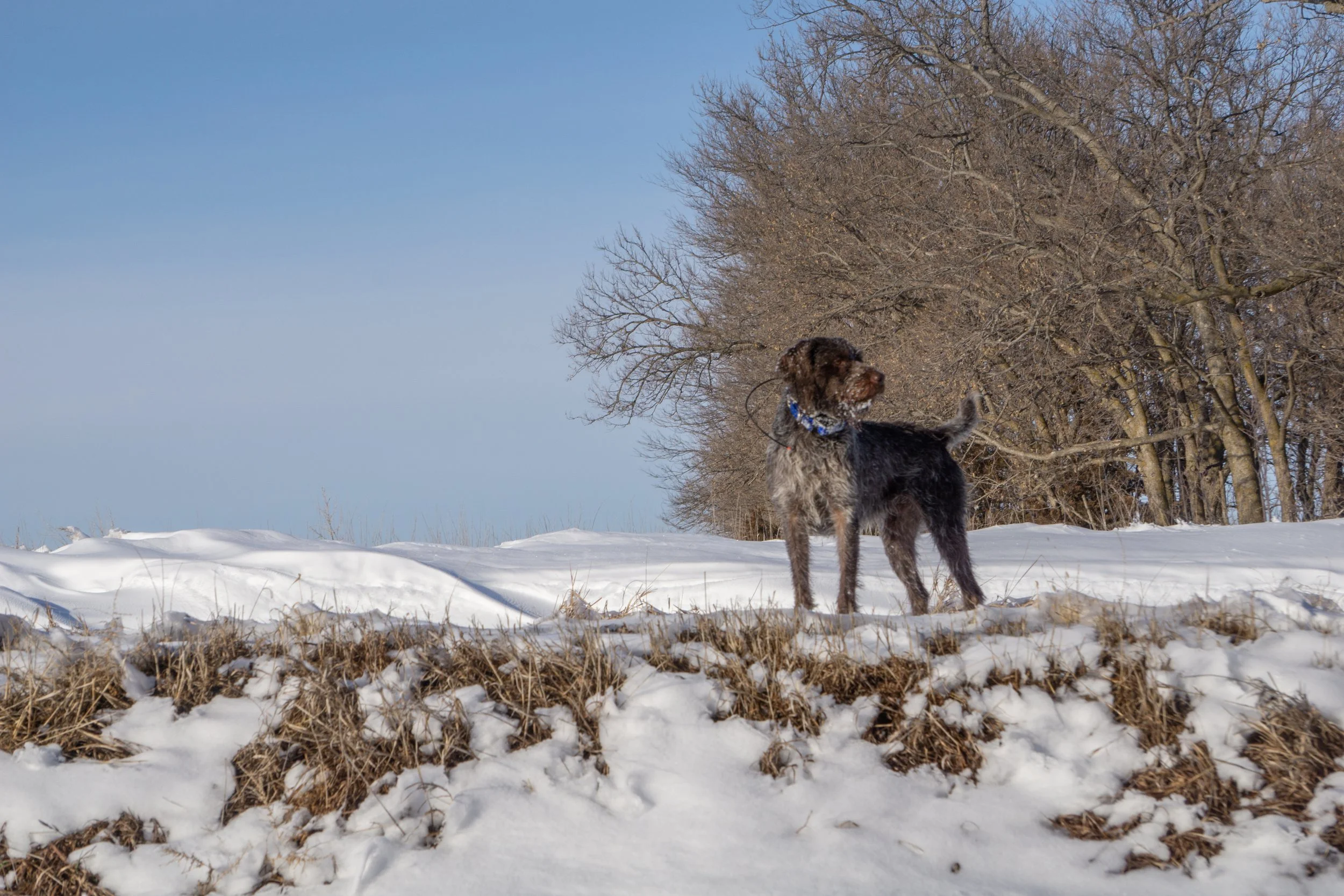
I hear some version of this almost every week.
"He listens to me fine, but my wife can't get him to do anything." Or the kids. Or whoever else is in the house. Same dog, same home, same commands get completely different results depending on who's doing the asking.
The owner telling me this usually sounds a little proud and a little frustrated at the same time. Proud because their dog listens to them. Frustrated because they can't figure out why it stops there.
Here's what's actually going on.
Your dog isn't choosing favorites. They're reading systems.
Dogs don't think I like him better, so I'll listen to him. They don't operate that way. What they do is constant, low-level calculation: do I actually have to do this right now, or can I wait and see what happens?
If one person in the house gives a command and always follows through (calmly, clearly, every single time) the dog learns that commands from that person have consequences. Not harsh consequences. Just: the thing will happen regardless.
If another person gives the same command five times with increasing frustration and then gives up, the dog learns something different. They learn that commands from that person are suggestions. Optional. Worth testing.
It's not stubbornness. It's pattern recognition. And dogs are exceptionally good at it.
The "asking instead of telling" problem
This is the thing I notice most when I watch owners interact with their dogs. The tone shifts. What starts as a command becomes a request. "Come on, sit. Sit. Please sit. Sit." The dog hears the uncertainty, senses there's room to negotiate, and acts accordingly.
Most people don't realize they're doing it. It's not a personality flaw. It's just that they haven't been taught what a command actually is versus what it sounds like when it trails off into hoping.
A command isn't a sound you make. It's a commitment that the behavior will happen. The dog doesn't need volume or aggression. They need certainty. The moment they sense you're not certain, they start making their own decisions.
Two people, two systems, one confused dog
What typically happens in a household is that one person becomes the primary handler without really deciding to. They're the one who feeds, trains, walks, and consistently enforces. The dog reads them clearly.
The other person (and this is almost never intentional) operates on a slightly different system. Different word choices, different tone, different follow-through, different threshold for letting things slide. To the dog, that's not the same system with a different face. That's a different system entirely.
So the dog does what any sensible creature would do: they behave differently in each system because each system has taught them different things are acceptable.
Why this matters more in the field
For a hunting dog, this isn't just a household inconvenience. A dog that's conditionally obedient (meaning they perform for one person under good conditions) is not a reliable dog. When there's a bird up, when adrenaline is running, when the situation is anything less than ideal, "conditional" falls apart fast.
The standard we work toward is a dog that responds the same way to any handler, in any situation. Not because that's tidier…because that's what reliable actually means.
How to close the gap
The fix isn't complicated, but it does require everyone in the house to be operating on the same page. Same commands, same expectations, same follow-through. The dog shouldn't be able to detect a meaningful difference between handlers.
That means the person who currently "can't get the dog to listen" usually needs some handling work, not more patience. They need to understand what a command looks and sounds like when it's delivered with certainty, and what to do in the two seconds after when the dog tests it.
That's a skill. It can be learned. And once they have it, the dog adjusts quickly because the dog was never the problem.
If this is something you're dealing with and you'd like a straight read on what's actually going on, reach out. An evaluation doesn't take long, and we'll tell you exactly what we see.
Contact us for an evaluation and we’ll tell you exactly what’s going on.